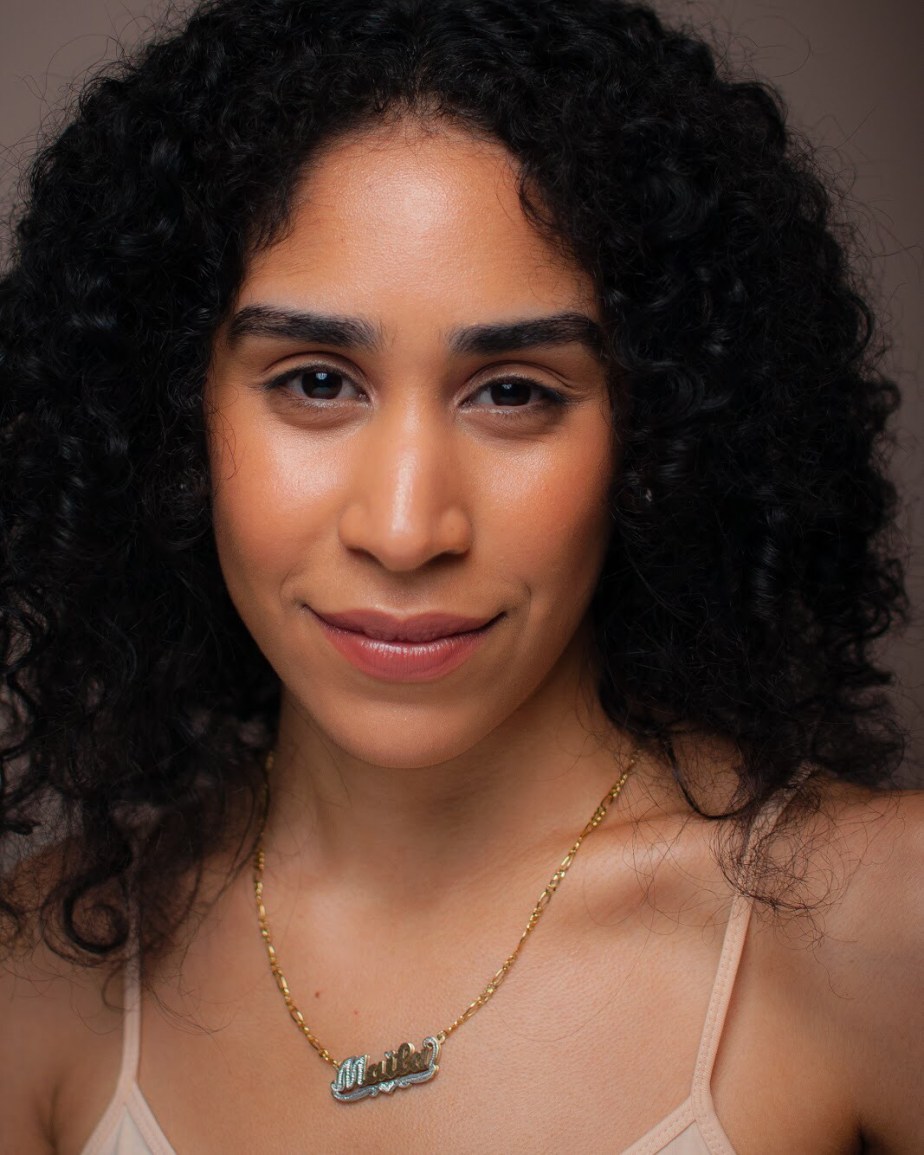
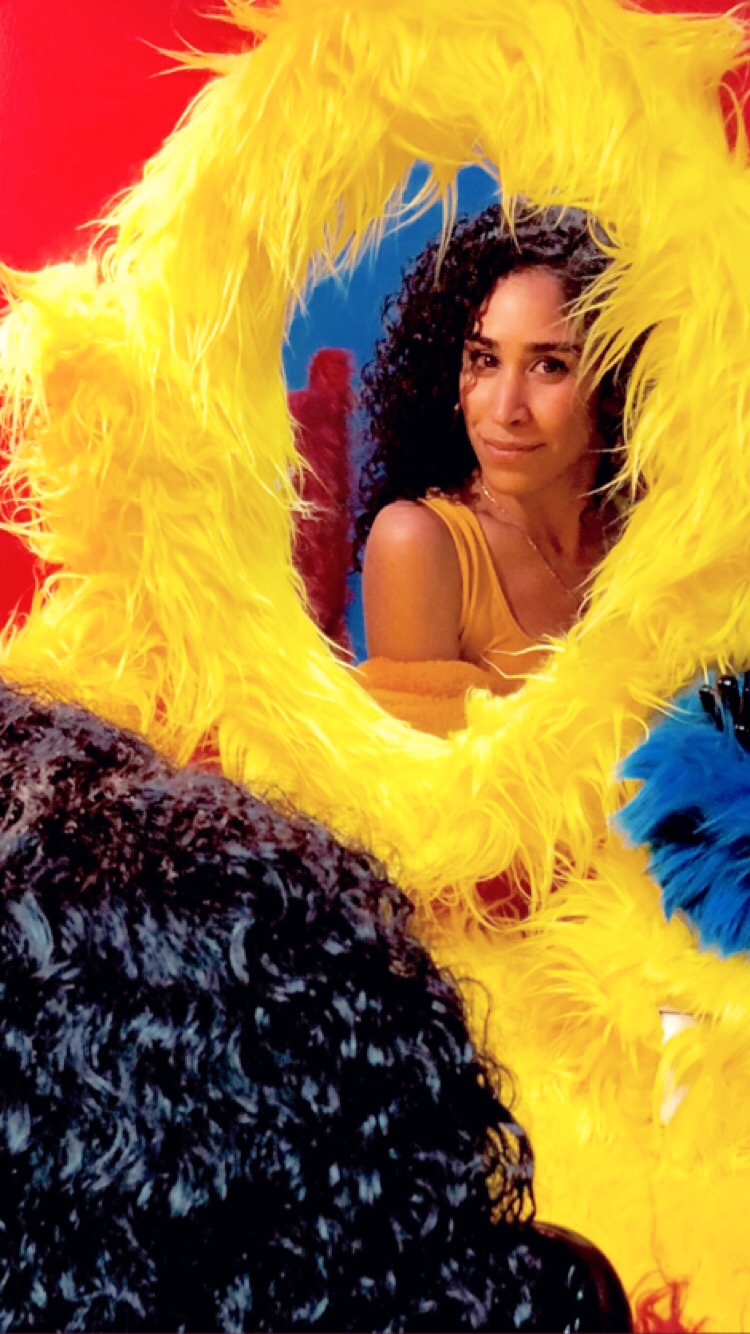
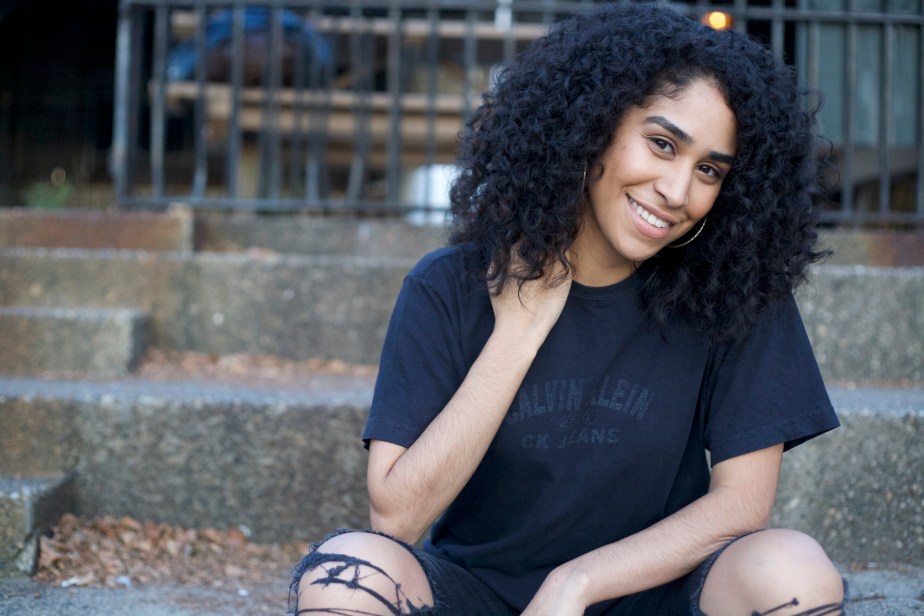
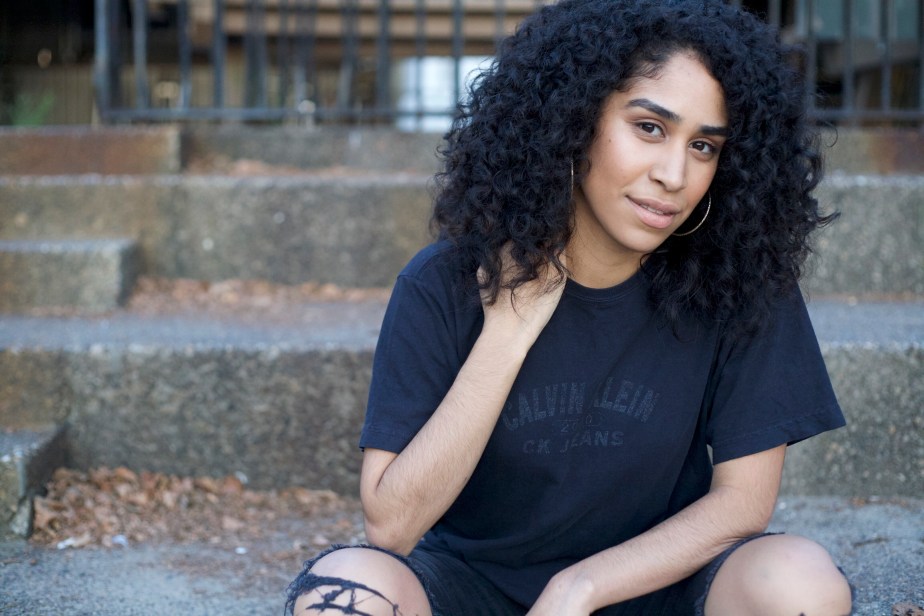
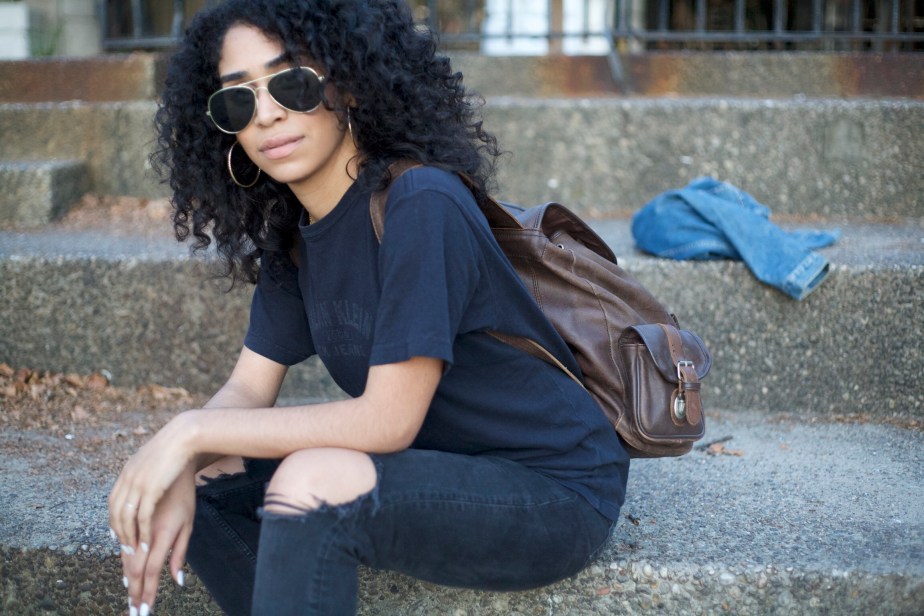
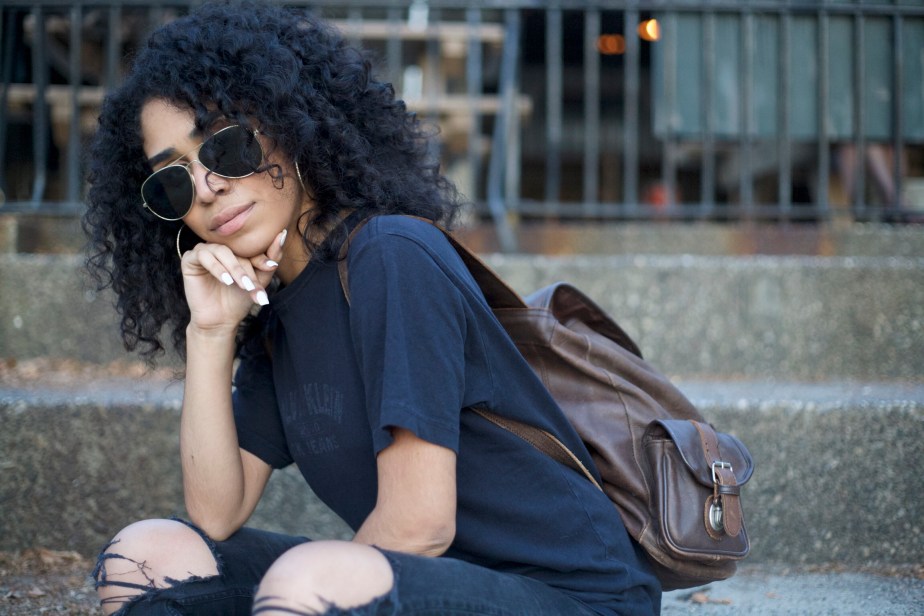
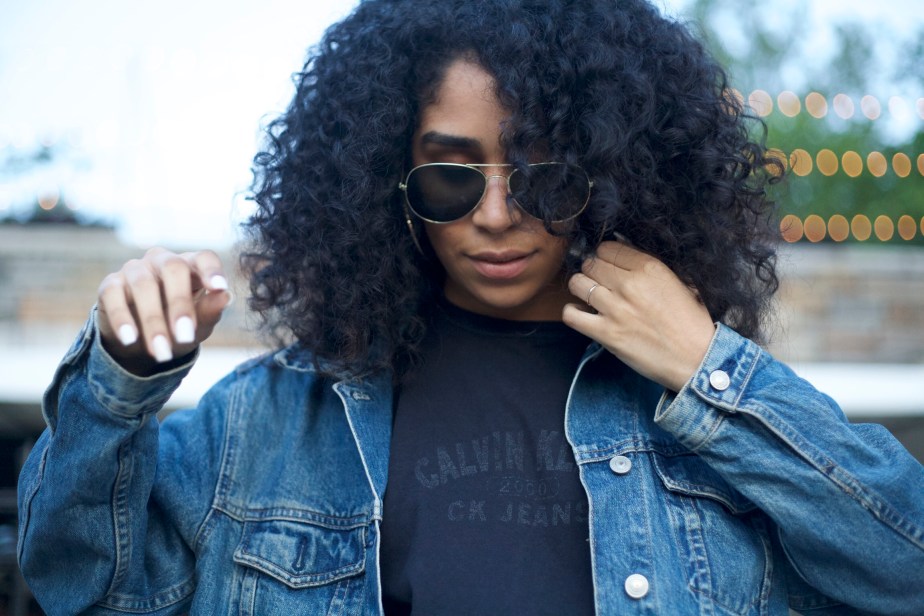
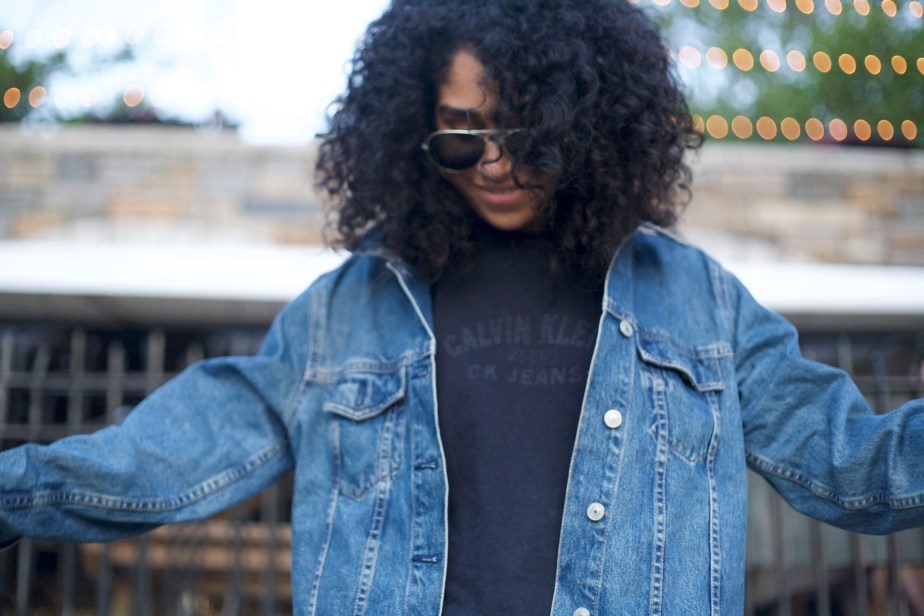
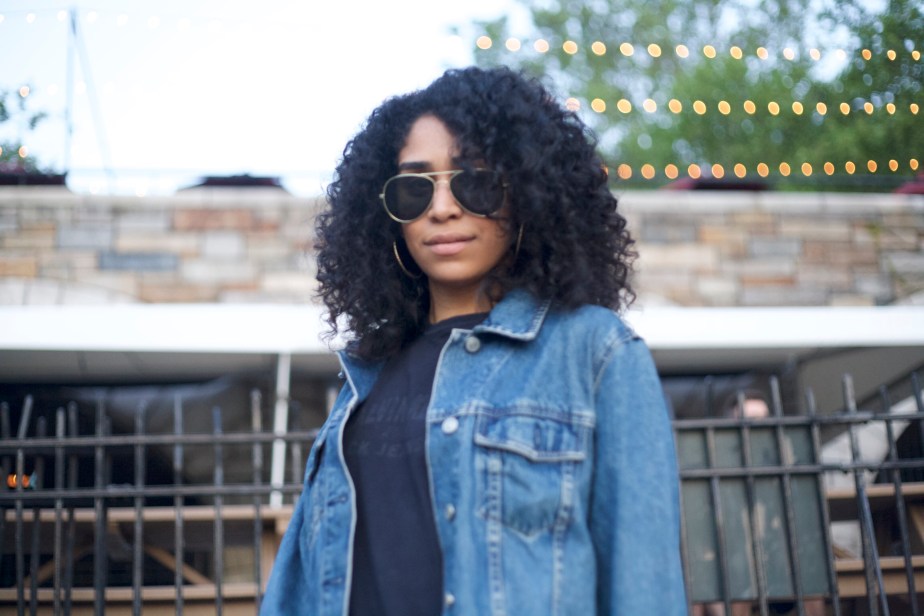
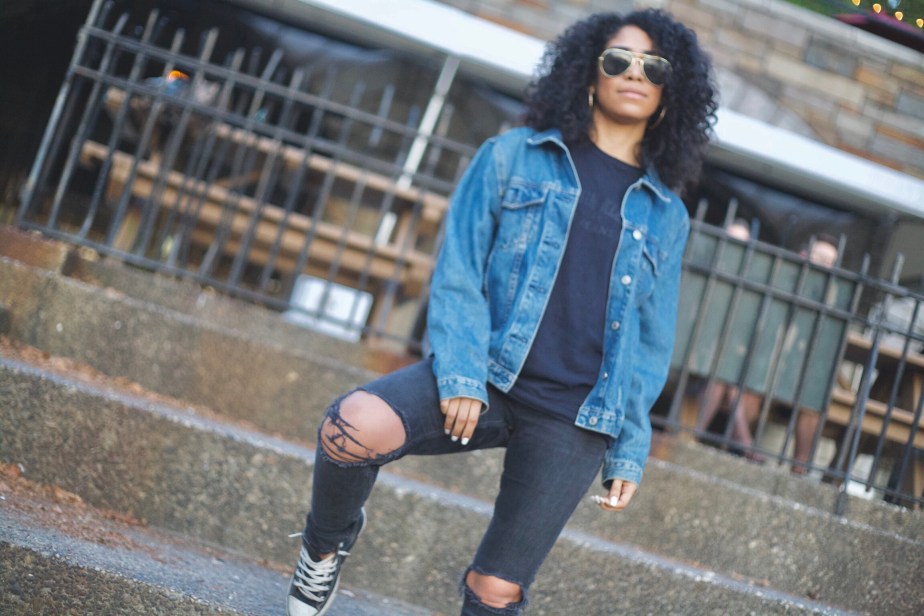
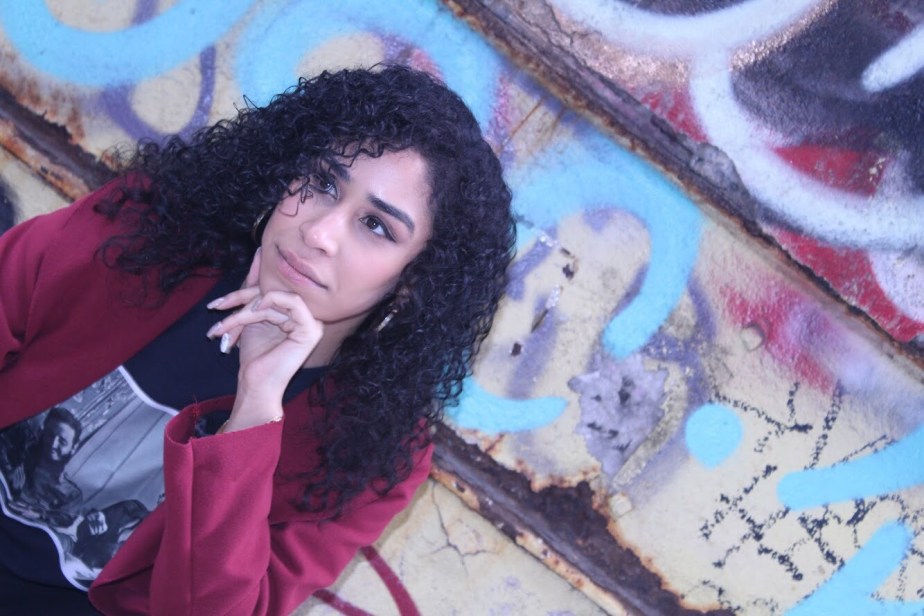
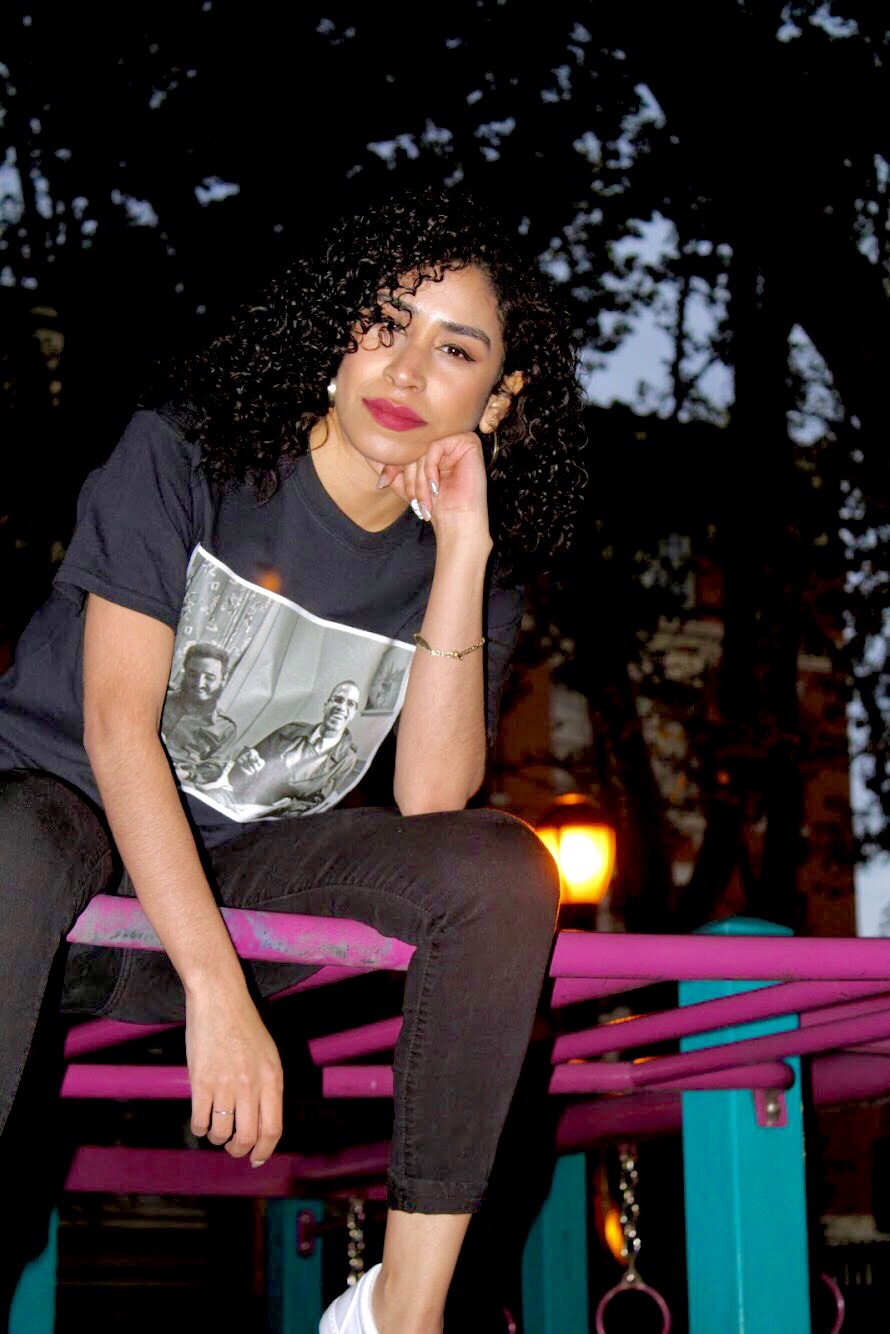
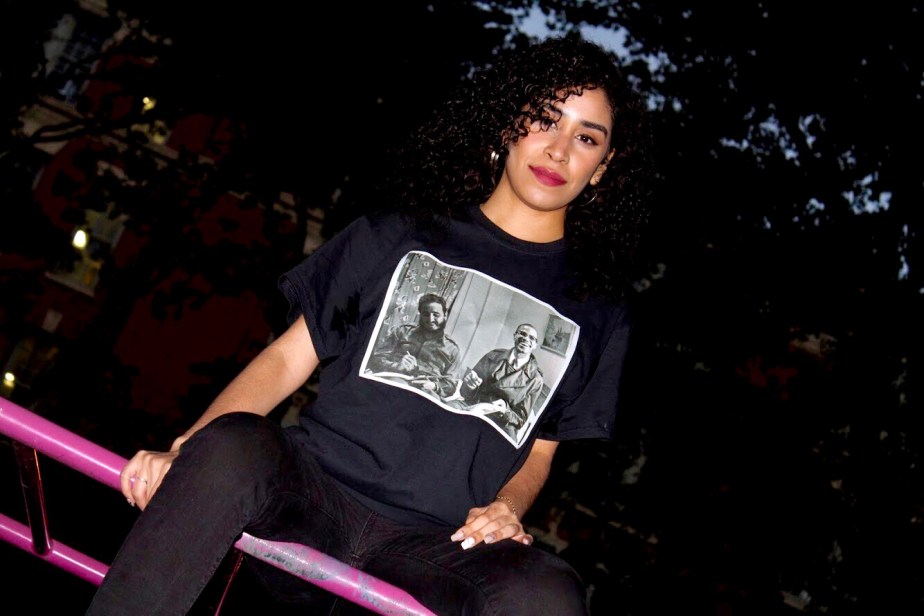
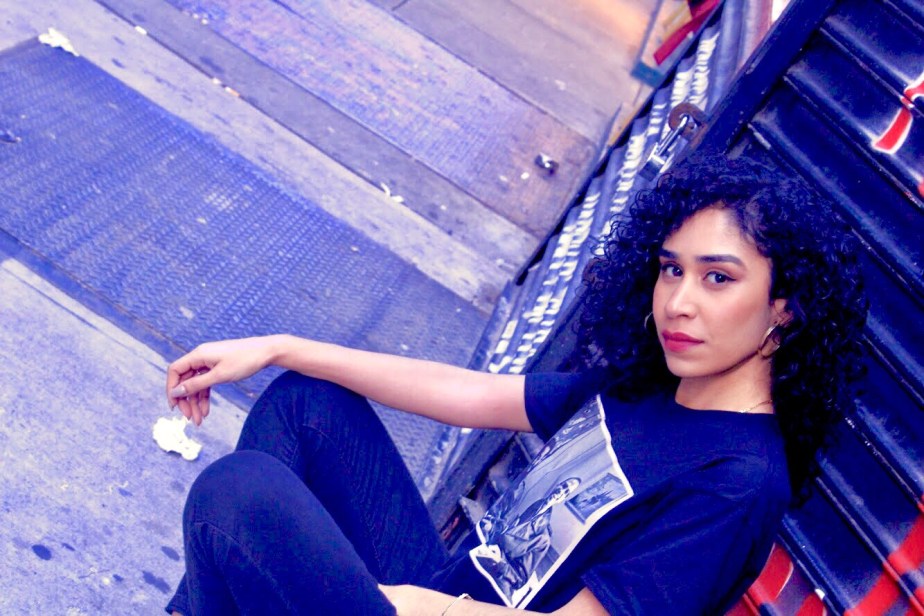
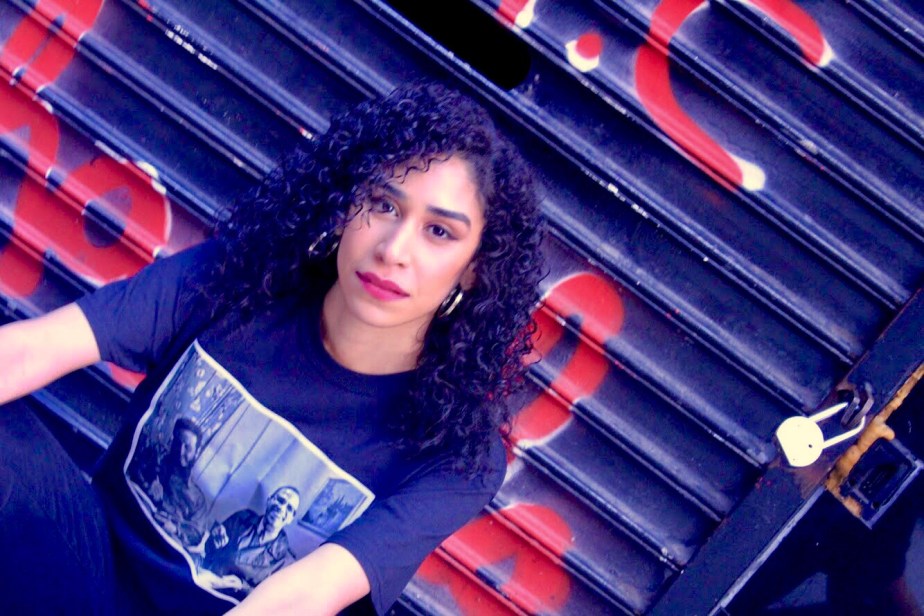
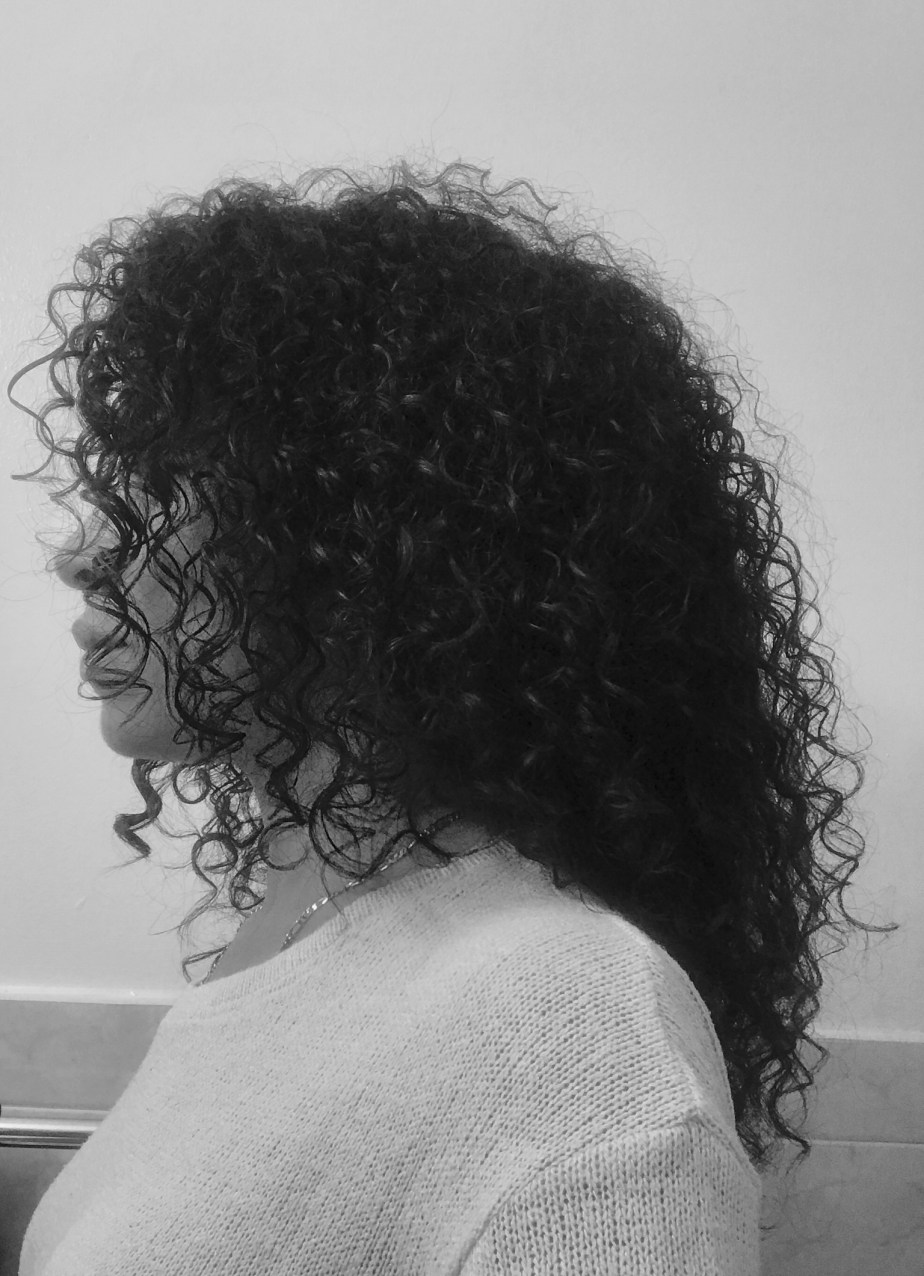
All pictures below were taken by @Joshua.A.Gorfein.Photography. Make up and Styling by @TheDaintyThug.
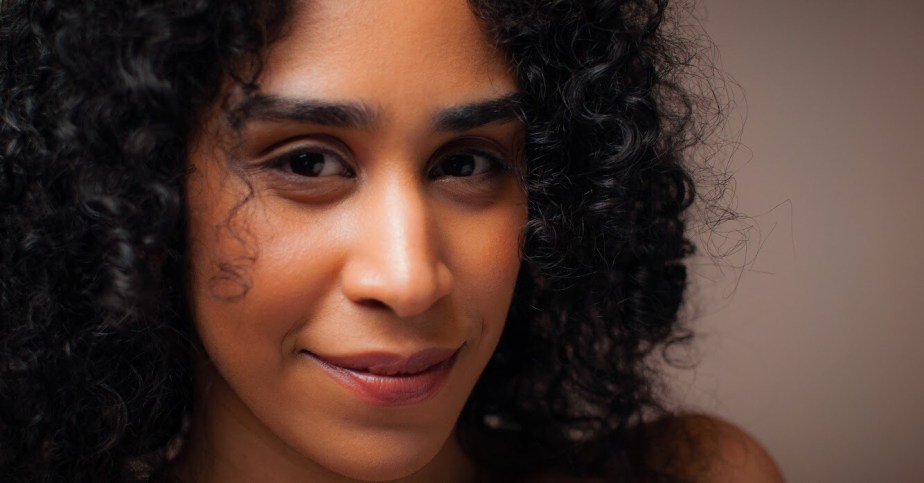

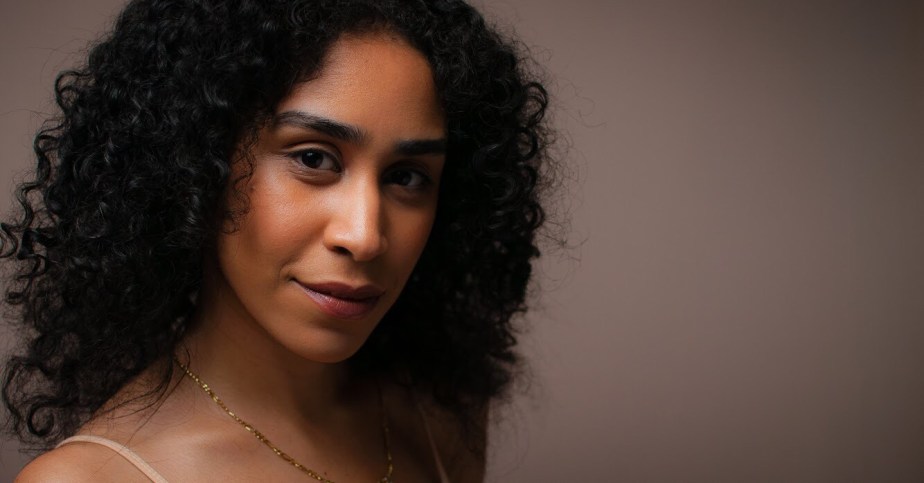

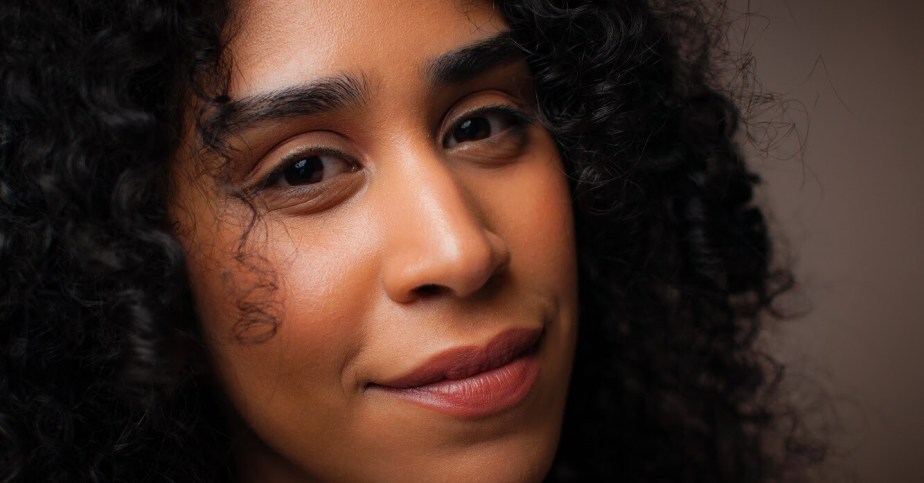
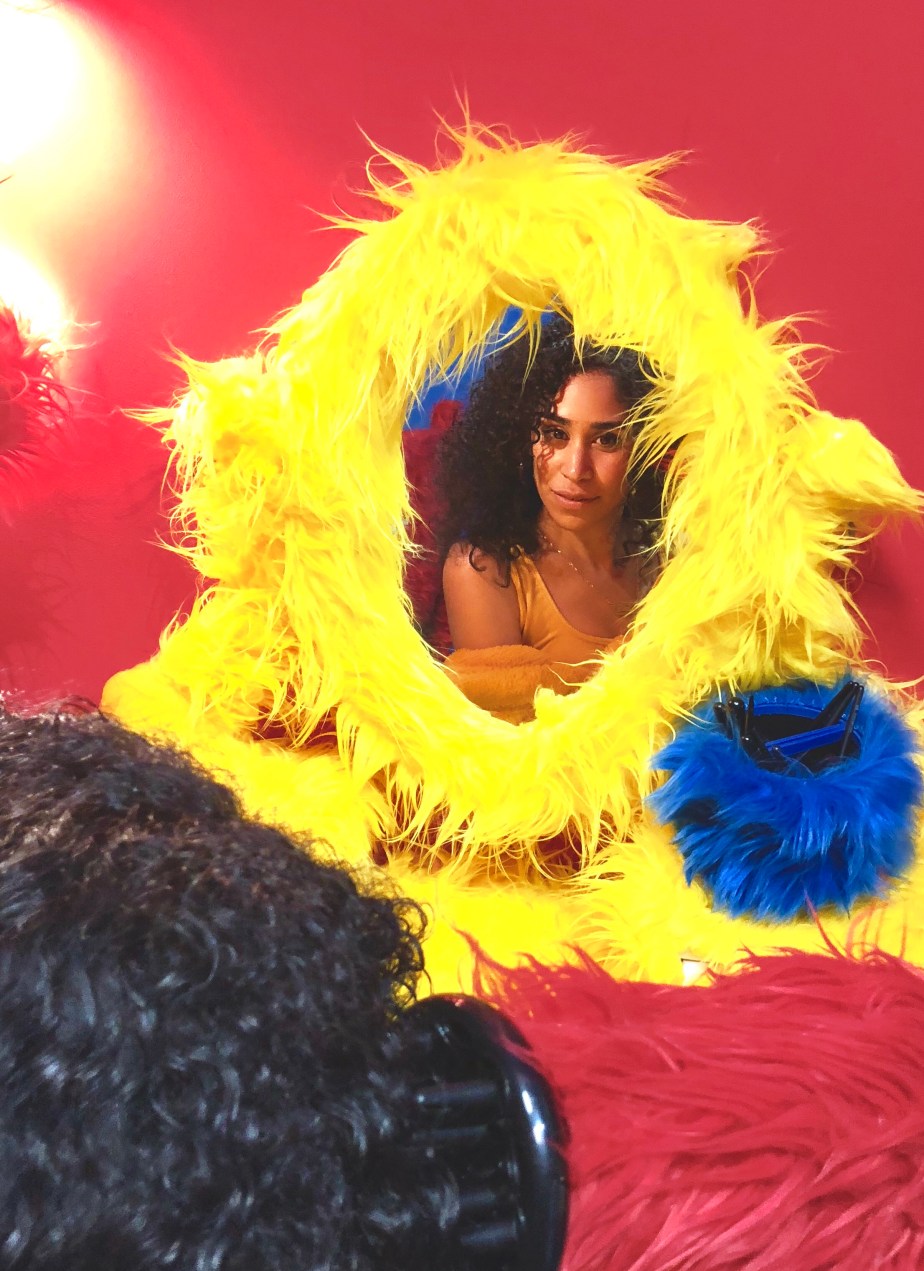
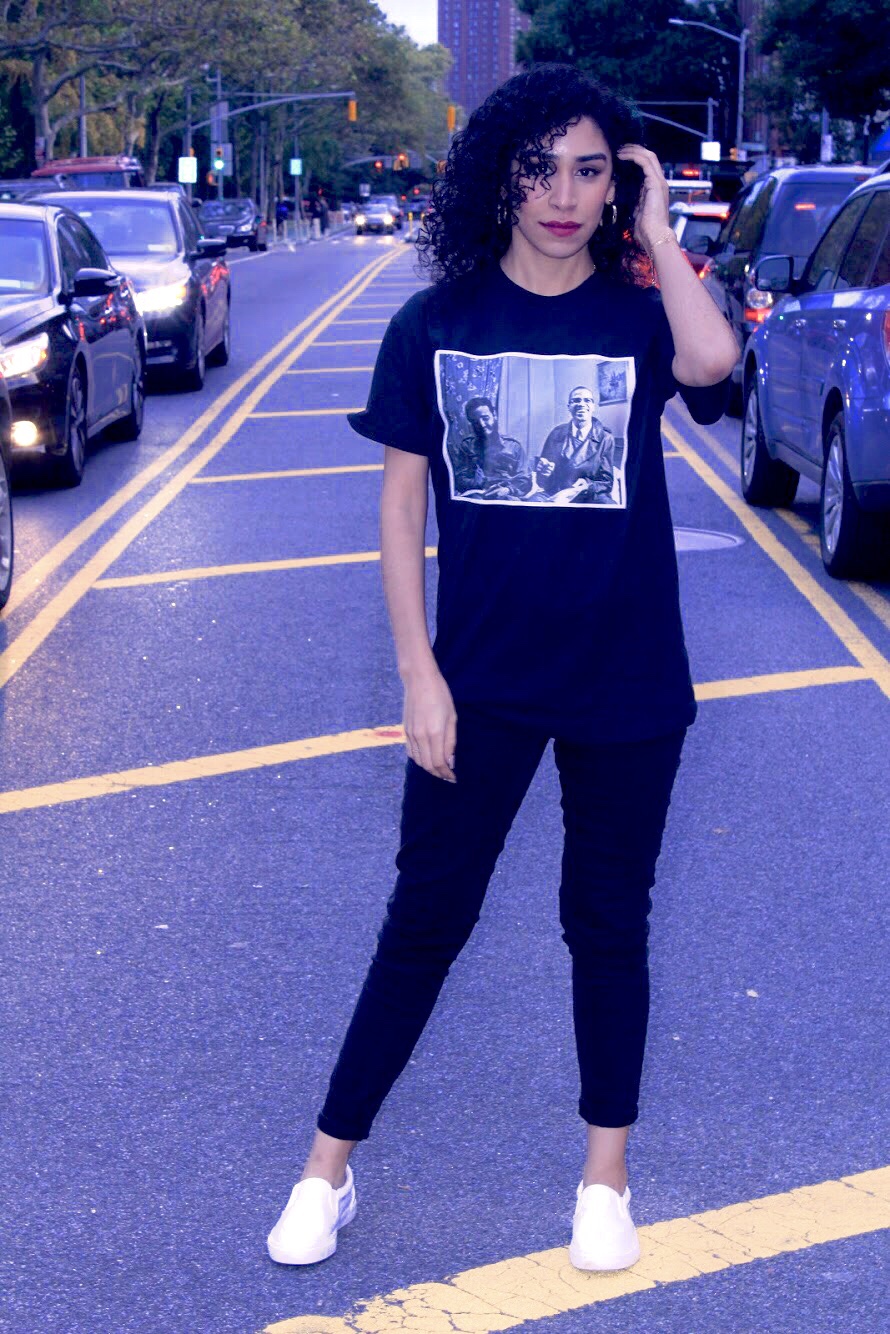
All pictures below were taken by @Joshua.A.Gorfein.Photography. Make up and Styling by @TheDaintyThug.
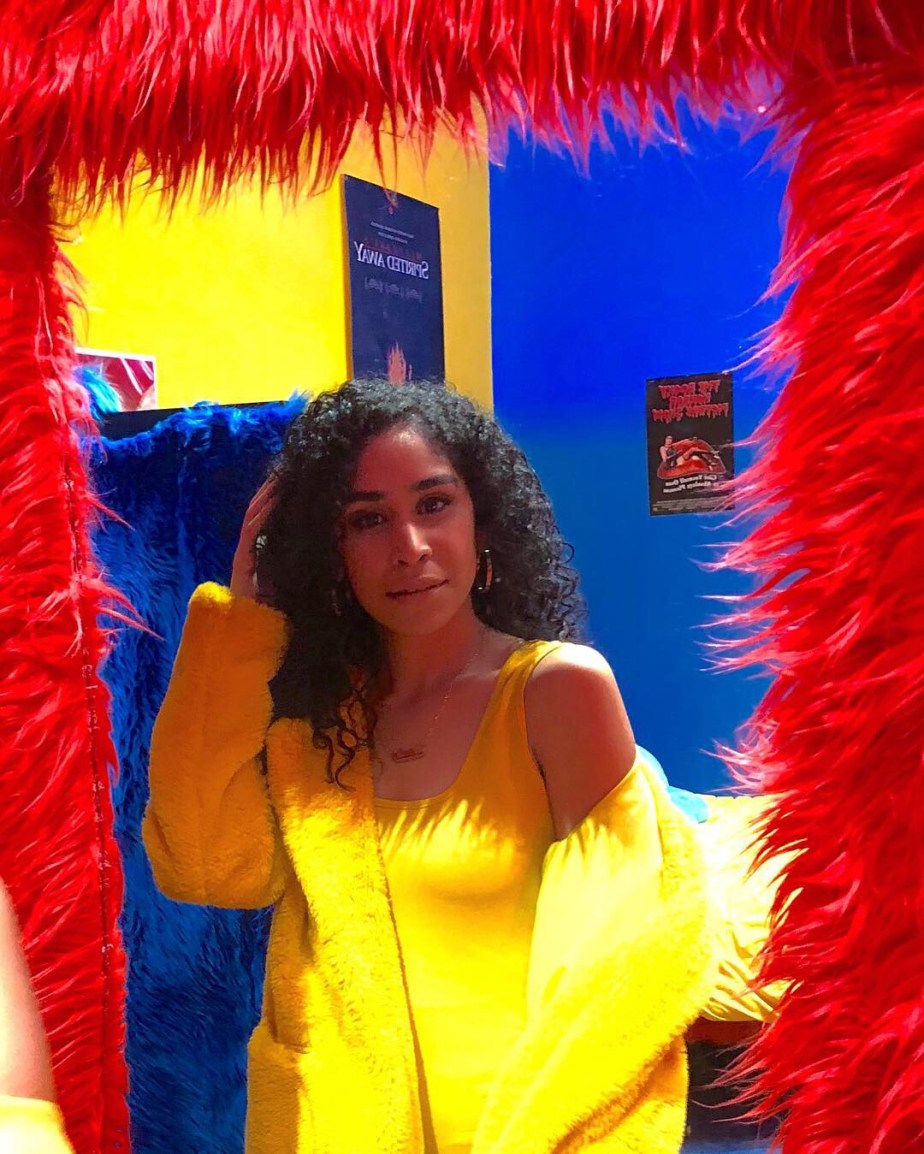
All pictures below were taken by @Joshua.A.Gorfein.Photography. Make up and Styling by @TheDaintyThug.
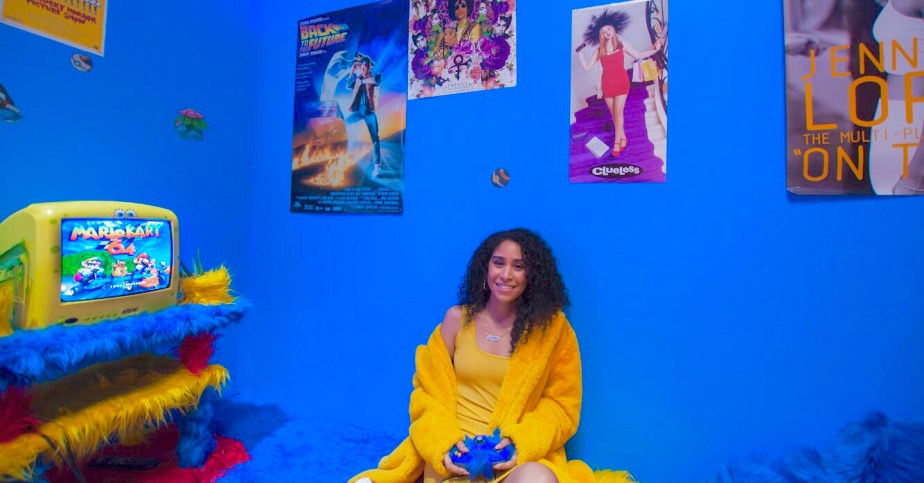
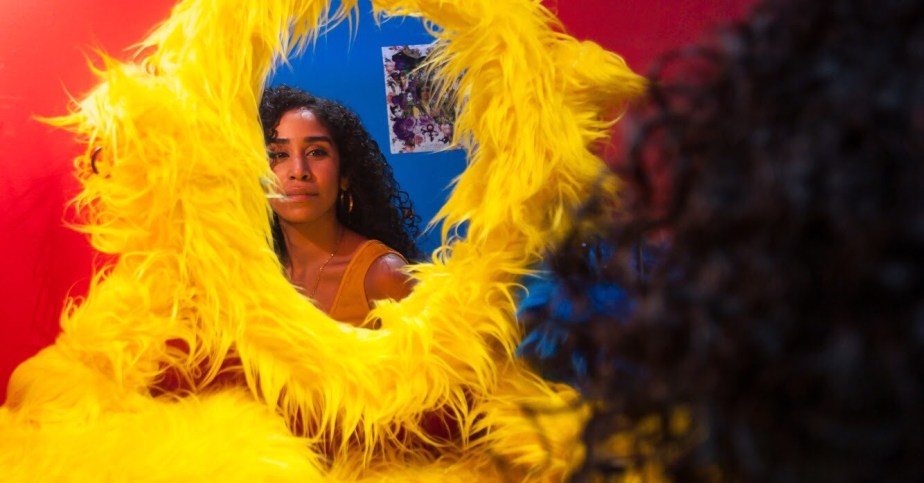
All pictures below were taken by @Joshua.A.Gorfein.Photography. Make up and Styling by @TheDaintyThug. Pictures were taken at the 29Rooms pop-up exhibit in NYC.
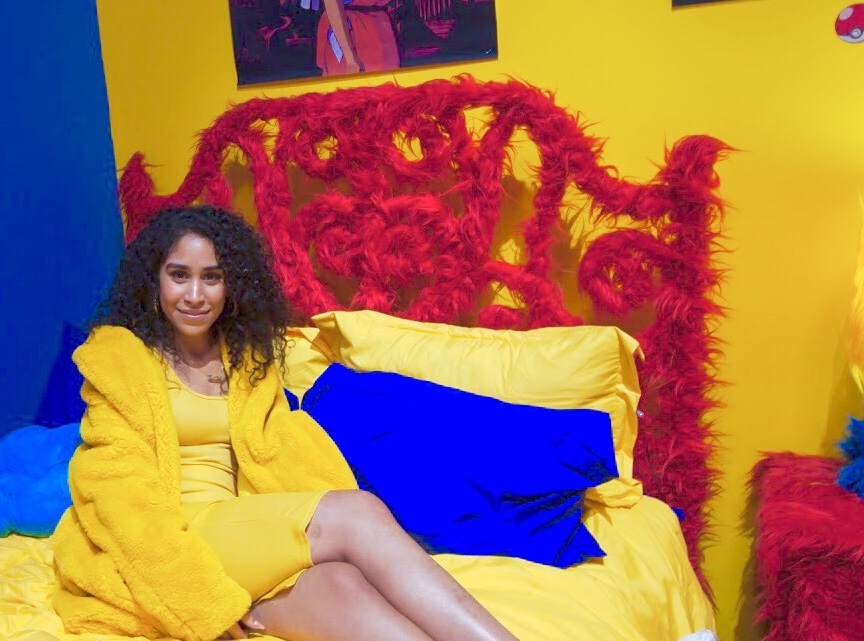
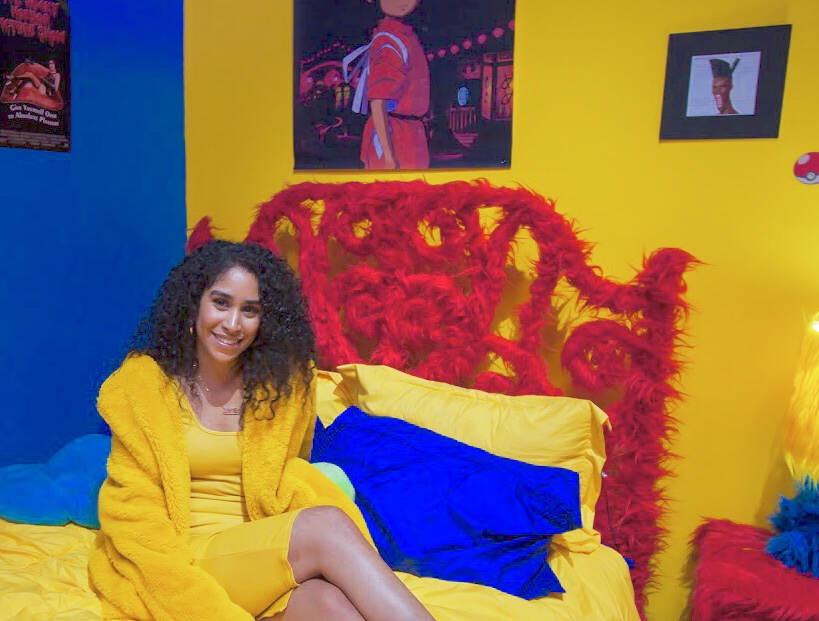
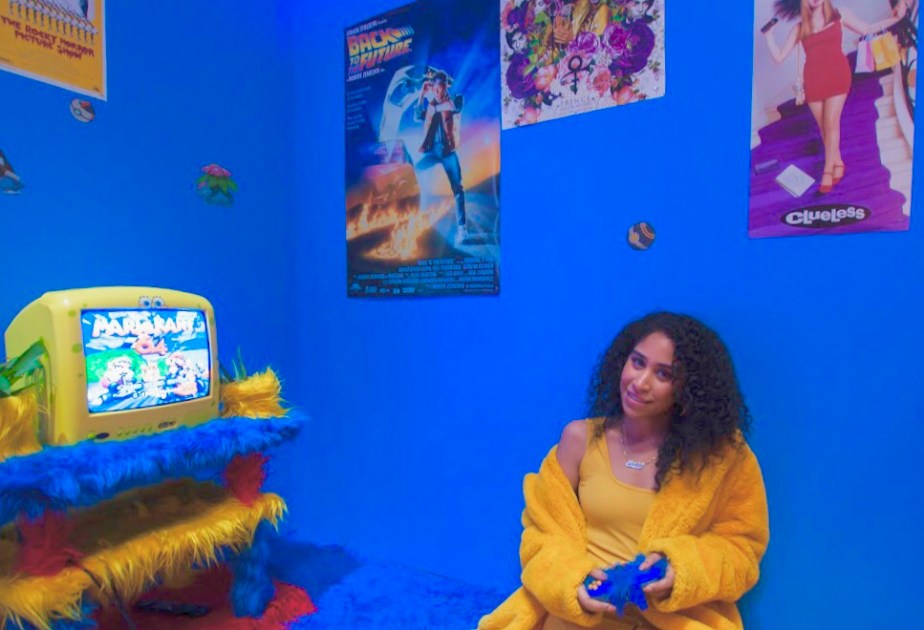

The Dainty Thug’s mission is to uplift, encourage, and empower all women, but most specifically, under-privileged and disadvantaged women of color. Women who are often discriminated against and forgotten, and considered to be statistics. The Dainty Thug aspires to cultivate mindsets that encourage self love, preservation and appreciation, freedom and independence, and a curiosity for knowledge and understanding, through the sharing of personal experiences and observations.
This blog is dedicated to inner city women who have been hardened by their environments. Women who love, laugh, feel, and live vibrantly, though you would never know because their mean-mug poker faces are anything but inviting.
It stands in solidarity with the goal driven go-getters who take care of business, and also with women who take care of, honor, and respect themselves as much as they do the same for others. Women who are not shaken in the face of adversity, but acknowledge the difference between battles worth fighting and wastes of their time. Women who walk with confidence even on days when they feel less than they are.
More importantly, this blog stands with women paving their own ways into new tax brackets from the bottom doing everything they can to better themselves and those around them. On this blog, we appreciate women who have had to stretch their dimes and make dollars out of fifteen cents.
Shouts go out to all gender norm and glass ceiling breaking women tearing down the patriarchy one day at a time. The Mulan’s, Moana’s, and Marilyn Monroe’s, this blog salutes you and aims to support and encourage your ambition and lifestyles in any way that it can. May these posts empower you to live authentically and organically, and foster pure and productive progress.
Keep striving. Keep soul surviving.
Three years ago, I made a decision to honor my natural curly hair and embark on a “Natural Hair Journey“. Though I had stopped relaxing my hair about eight years prior, I had not stopped straightening it and had no idea how to navigate my life without doing so. Every product, hairstyle, or trick I had revolved around keeping my hair sleek, smooth, and most importantly, pin-straight. After “transitioning” from routinely straightening my hair in 2015, I chopped off more than 12 inches of heat damaged hair and patted myself on the back for completing my transition into the natural hair lifestyle (if you haven’t read about my transition yet, I suggest you stop reading and click here to catch up). What I didn’t know then was that my transition was far from over.
My first year as a curly girl was a huge success, or so I thought. I experimented with different styling lotions, cremes, and jellies until I found ones that worked best for me. I kept up with routine trims (at home & by myself), and kept my hair away from heat as much as I could, but, I still struggled to fight the urge to straighten my hair from time to time. Initially, I thought a little heat wouldn’t hurt every now and then as long as I conditioned it well before and after. What I didn’t realize was that those sporadic weeks of straightened hair maintained with daily touch-ups added up and eventually I found myself close to square one by the time 2017 rolled around.
By February of 2017, I found myself with split ends and heat damaged deep waves where curls had once formed. Determined to undo the damage, I cut off about 6 inches and began implementing a strict deep conditioning routine complete with various oils and foods. Within a couple of months my hair showed signs of recovery and I was overjoyed. That joy was short-lived, however, because as my hair grew there was a clear divide between my healthy roots and “recovered” ends and it made wearing my hair loose a nightmare.
Now it was September, and my hair was past boob length (I use my boobs to measure hair length, sorry not sorry) when stretched, a length I had craved for since I first cut my hair in 2015, and though my hair was begging to be chopped I couldn’t bring myself to part with it completely, so, I continued with my routine trims thinking I could get away with semi-healthy hair. After straightening my hair a couple more times in the three months that followed, my hair felt dry and brittle, most of the longest layer was stringy and thin, and not one strand formed a complete curl. I reached a point where I was so dissatisfied with my curl pattern that I decided it was time to go back to basics. Not only did I cut my hair about 6 inches and revamp my entire hair care and product routine, but I also decided not to take on the ‘No Heat Challenge’ and not straighten my hair again until further notice.
In the past year since I have been fully committed to my curly hair, I’ve completely changed my perception of my hair and how I value it. In the past, I’ve often chosen lengthy hair over healthy hair because I preferred my hair long. Split ends and choppy hair can easily be concealed with some product and styling when you straighten your hair, but it’s not the same when you wear your hair natural. Straggly straight ends show no mercy and do not blend well with healthy coils and I’ve learned that when it comes to achieving a good wash day, the key is having healthy hair. I have cut my hair no less than 10 times in the past year trying hard to chop off as many unhealthy ends as possible, and though my hair is not as long as I would like for it to be it is strong and healthy.
In many ways, I still feel that I am still at the beginning of this journey with my hair but I do have to say that I appreciate every lesson I’ve learned thus far. Better to have learned them on my own hair than have to experiment on my future children. Here are some of the things that I’ve learned that might help you on your own journey:
Click here to see some pictures of my progress between September 2016 and November 2018.
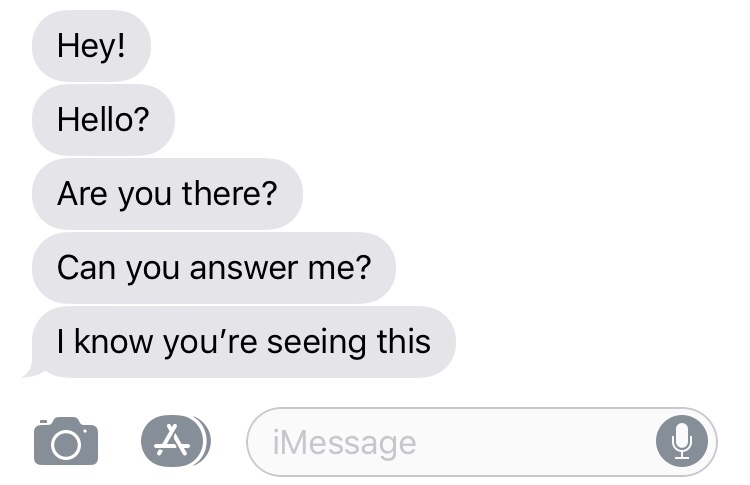
Between numerous social media accounts, cellphones, home-phones, and work phones, it’s practically impossible to be disconnected from anyone. From the time I was 9 years old when I first joined Facebook, AOL Instant Messenger, and received my first cell phone, there was almost never a moment where one could not reach me if they wanted. Over the years I had developed a dependency to these lines of communication which only got worse with every new social media account I created. Not many days went by without me checking or posting on my social media or picking up my phone every few minutes just to see if I had received any messages.
Everything changed in 2016 when I went a few months without a working phone and had to rely on my iPod and WiFi for communication. I went hours without being connected and at first it drove me insane. When I wasn’t wondering about who had reached out to me, I was worried that there could be an emergency at any moment and I wouldn’t know. Over time, I had gotten accustomed to being disconnected and realized it was incredibly freeing. Always being connected to lines of communication comes with a lot of pressure to respond in a timely fashion, and it was something I didn’t notice until I had no control over my response times.
By the time I had gotten a working phone again, I was so used to responding only when I could, that the habit remained even when the pressure to respond crept back. Without my cellphone, I had relearned the art of being present and rediscovered a life that didn’t revolve around a phone screen. I noticed just how much more time I had to myself and just how much more involved I became in every moment whether I was spending time with friends or spending time on my hobbies.
After re-launching my blog, my phone became more of a tool than a communication device which meant I was constantly using it to create content. The problem was I couldn’t open my phone to do anything productive without seeing all of my unread messages and notifications. After months of struggling to focus with a non-stop barrage of notifications forever shifting my attention, I decided that I needed to make a change. These days I live with my phone on “Do Not Disturb”, all push notifications turned off, and all social media apps (including messages) on the second page of my social app folder. This way, I can still dedicate time to the things I find important without any distractions.
We have gotten to a point where we neglect what we’re currently doing and direct our attention to whoever’s post, DM, or text we’re reading. We’ve been living a life of split focus and half presence so that others don’t feel disrespected by having been left on “seen” and we don’t feel like we’ve missed out because we missed a post, text, or call. It doesn’t seem like a big deal to provide everyone with responses in a timely fashion, or catch up on the latest posts so often, until you consider just how much time you are dedicating to other people vs how much time you are dedicating towards yourself and the present moment. Staying connected is important but not at the expense of experiencing the here and now. Everyone deserves time to shut down and disconnect from the world so they can reconnect with themselves, including you.
Be conscious of your phone use, life is too short to spend it scrolling through a gadget. Your phone does not need to govern how you spend your time and being accessible doesn’t need to mean being available. Reclaim your time and attention, if anyone is deserving of your time, it is you.
The way we speak has a huge influence on how people perceive us. Whether we like it or not, the words we use will help others label us as educated or ignorant, one of us or one of them, from this part of town or that, and so on and so forth.
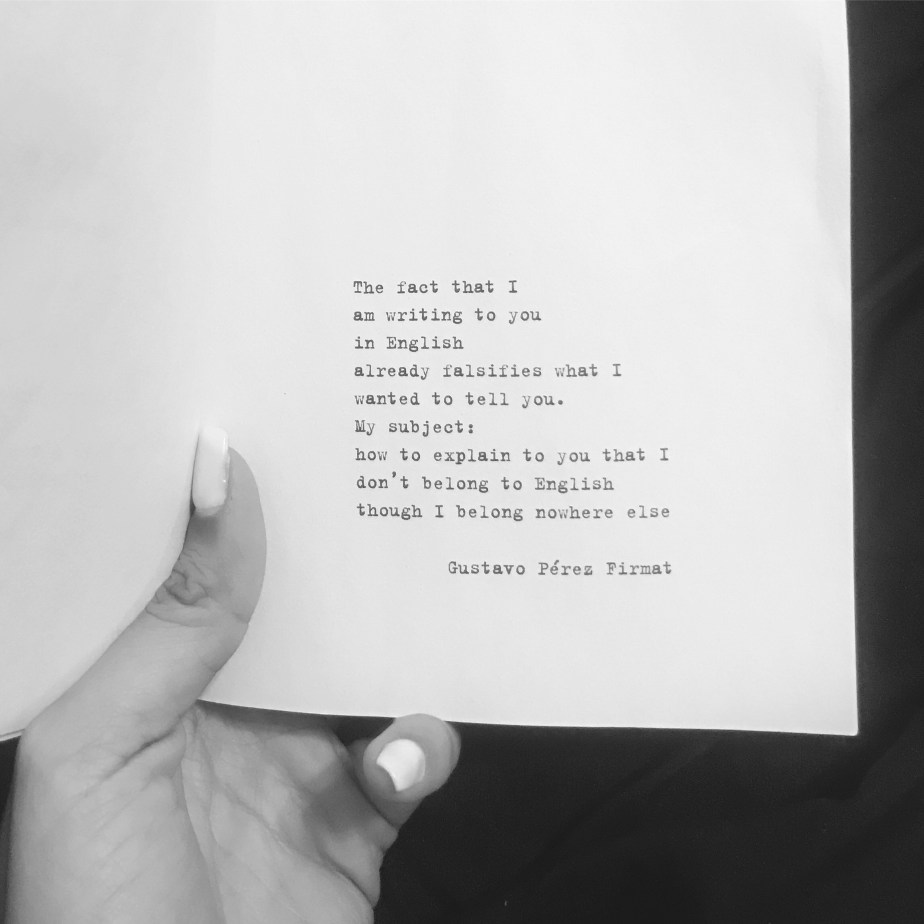
Growing up, I was surrounded by many different ways of speaking, and as a result I learned not only how to speak them all but when to switch between them. There was Spanish which I learned to speak to my family at home, the proper English I spoke in school, and the “slang” I spoke with my friends in my after school program. In school, I was encouraged to avoid speaking “slang” or New York’s personal brand of African American Vernacular “Spanglish”, but when I spoke proper English around kids at the park I quickly learned “sounding white” was not the best way to go about trying to fit in. Other times, like when my grandparents were around, I was instructed not to speak in English at all. Because I grew up being equally influenced by all three styles of speaking, all three flow very naturally to me and switching between them is as subconscious of a process as blinking is. This process of switching between styles is known as ‘code-switching’ and it is something minority and immigrant people learn to help them assimilate to their various surroundings.
When I learned about code-switching in college it was as if something inside me clicked. I knew I had been doing this all my life but I had no idea there was a name for it, or that it was a topic discussed and researched in academia. I have always felt like I have lived my life switching between vocal masks being a linguistic chameleon and it has deeply affected my sense of self.
Since the way I expressed myself was largely ruled by my environment, I began to wonder which “voice” was really mine and how I truly spoke, social pressures aside. Sometimes I questioned my own authenticity, considering that by switching the way I spoke, whether consciously or not, I was a fraud. On many occasions I’ve found myself anxiously contemplating whether I was using the right “code” at the right time or if people were judging me for the way I spoke and my constant code switching. Deep down, I knew no way of speaking was any less me than the others, just different. To say that my true self speaks only “slang” would be largely inaccurate and to deny that proper English is what makes up most of my conscious speaking would be a farce. While Spanish is no longer as dominant in my life as it once was, it’s hard to deny its essence slips into my conversations unintentionally and unannounced. These days my surroundings do not impose or illicit a specific way of speaking so I find myself using my personal mix of the three.
While I’m still sorting through my different ways of speaking, the mannerisms I’ve attached to each, and the subconscious identity complexes I’ve acquired in my awareness of my code-switching, I am learning to see the silver lining of it all. I may not truly have a grasp of which style of speaking is my native style or if code-switching is just how I communicate, but I do know that I find comfort in my ability to assimilate to my surroundings. Being able to switch between speaking styles has greatly influenced my ability to relate to different types of people and that has enriched my life in many ways.
What is your experience with code-switching? Do you avoid it? Have you noticed it in other people? Please join in on the conversation and leave a comment letting me know what your thoughts are.
For more information on Code Switching check out these links below:
1. https://www.britannica.com/topic/code-switching
2. https://www.npr.org/sections/codeswitch/2013/04/13/177126294/five-reasons-why-people-code-switch
3. https://www.washingtonpost.com/lifestyle/style/whats-up-with-that-white-voice-the-tricky-art-of-linguistic-code-switching/2018/07/06/f083e34e-8044-11e8-bb6b-c1cb691f1402_story.html?noredirect=on&utm_term=.db2460d31122


 Forever Thugnacious